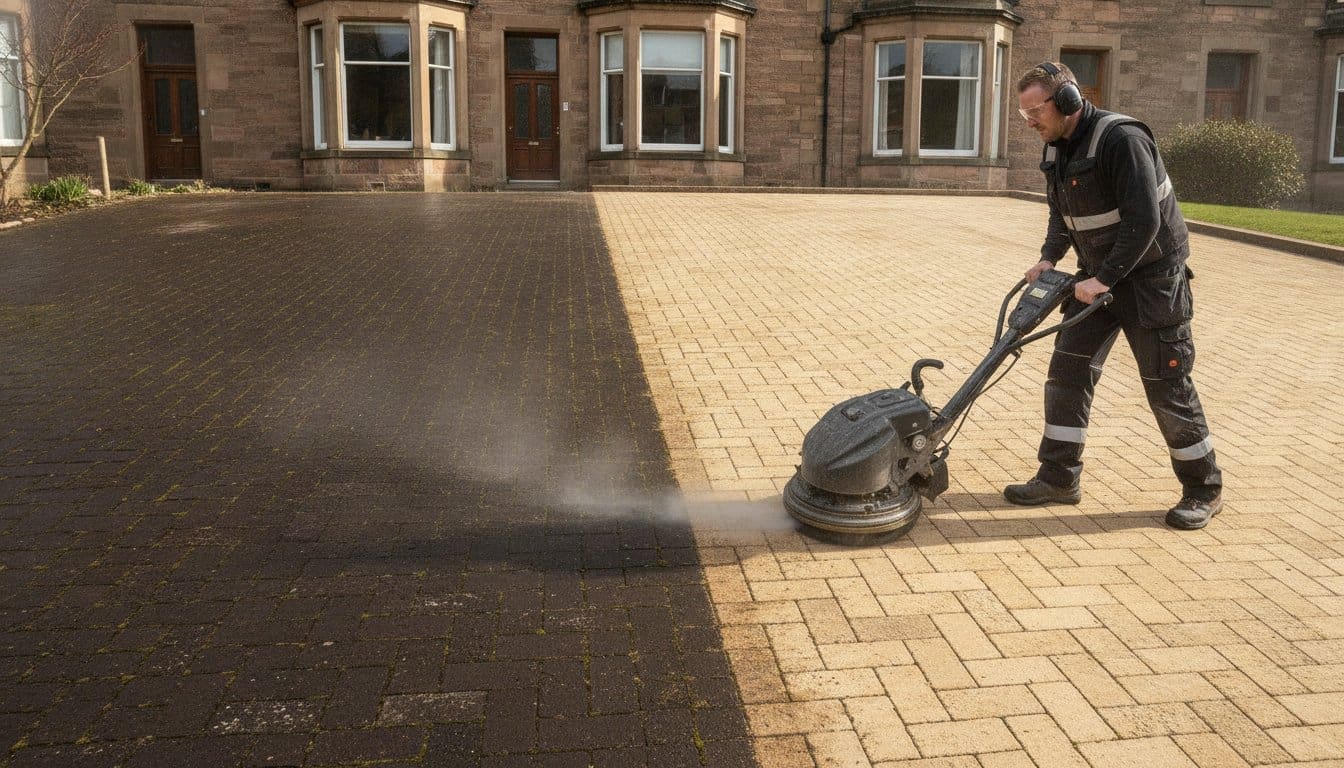

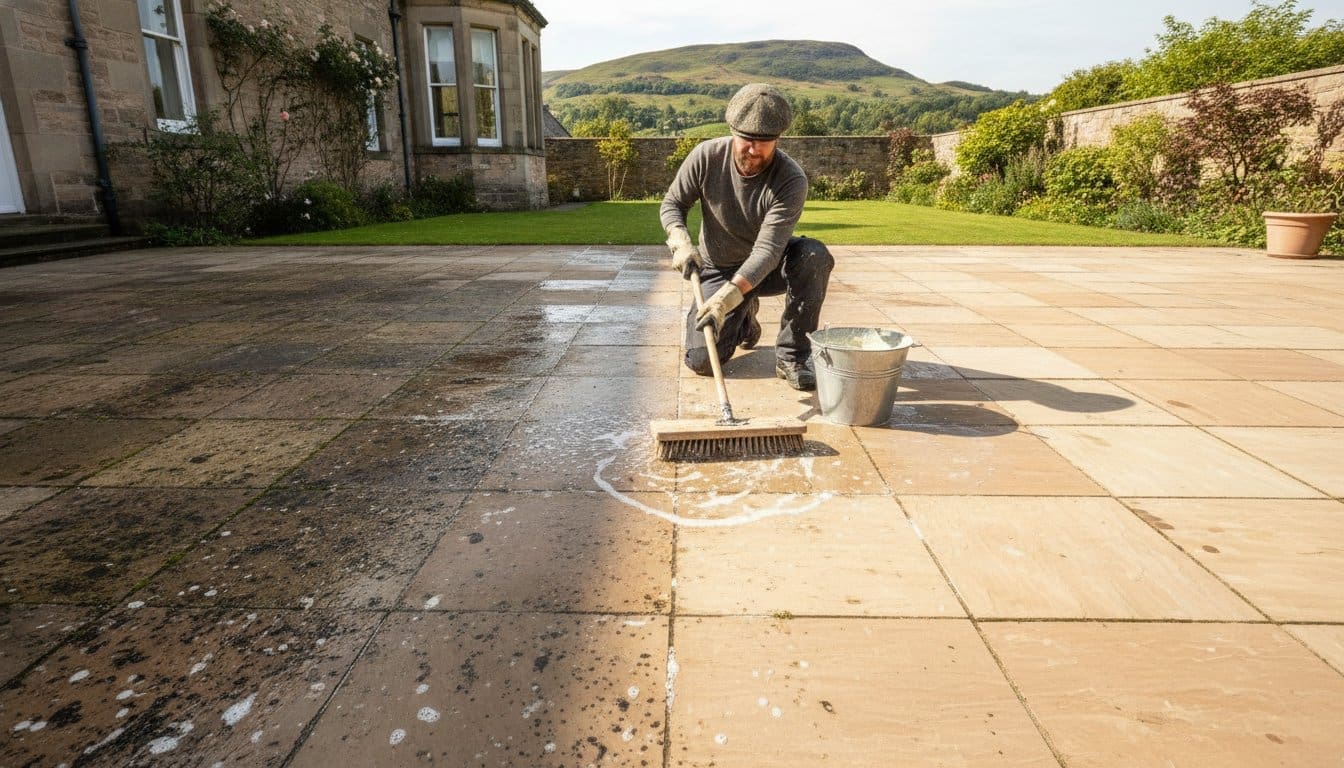
What if the secret to a pristine, stain-free terrace isn’t hidden in a bottle of harsh acid, but actually sits inside your kitchen cupboard? Many homeowners feel a genuine sense of dread when they see “black spot” lichen or stubborn oil marks spreading across their expensive natural stone. You understandably want a clean outdoor space, yet the fear of chemical runoff poisoning your favourite plants or harming your pets often leads to inaction. Effective natural patio stain removal allows you to restore your garden’s centrepiece without compromising the local ecosystem.
In this guide, you will discover how to remove even the most persistent marks using sustainable household items that are safe for your specific stone type. We will compare traditional chemical methods against the latest 2026 eco-friendly standards, highlighting why many harsh substances are being phased out by new environmental regulations. You will also learn to distinguish between minor spills that a quick DIY fix can handle and deeper infestations that require professional softwashing to clear safely. By the end, you’ll have a clear, practical plan to achieve a spotless patio whilst keeping your garden healthy and thriving.
Key Takeaways
- Learn how to use common household items like white vinegar and baking soda to tackle organic growth and grease without damaging your garden.
- Understand the benefits of natural patio stain removal to protect local biodiversity whilst maintaining a clean, inviting outdoor space.
- Discover why performing a test patch is a vital step to ensure your specific stone type remains unharmed by acidic or abrasive natural cleaners.
- Identify the “point of no return” where deep-rooted lichen requires professional softwashing instead of DIY household fixes.
- Compare the cost and efficacy of sustainable methods against traditional chemical cleaners in line with the latest 2026 environmental standards.
What is Natural Patio Stain Removal and Why Does it Matter?
Natural patio stain removal focuses on the use of non-toxic, biodegradable substances to break down both organic and inorganic marks. This approach is distinct from traditional methods that rely on aggressive, synthetic chemicals which can linger in the environment. By choosing eco-friendly solutions, you effectively treat your outdoor space as a living ecosystem rather than just a hard surface. Whilst many common cleaning agents found in shops promise quick results, they often achieve this through high toxicity levels that can damage the very stone you are trying to protect.
In the UK, the environmental impact of traditional chemical runoff is a growing concern for garden health. When you rinse away harsh bleach or acidic cleaners, that liquid travels directly into your soil and local drainage systems. This runoff can significantly degrade soil quality and disrupt the delicate biodiversity of your garden beds. It’s a biological battle. Many homeowners rely on high-pressure washing to clear the mess, but this mechanical approach often fails to solve the root cause. Whilst water removes surface debris, it rarely reaches the microscopic spores that anchor biological growth deep within the stone’s structure.
The Edinburgh climate presents its own set of persistent challenges. Our local weather is often damp, and for those living near the coast, the salt-heavy sea air creates a perfect breeding ground for algae. These conditions mean that standard cleaning often provides only a temporary fix. Professional patio cleaning in Edinburgh requires a strategy that addresses these local environmental factors to ensure long-term results.
The Biological Culprits: Lichen, Algae, and Moss
“Black spot” lichen is the most notorious offender for Scottish property owners. It doesn’t just sit on the surface; it burrows into the pores of natural stone like sandstone or granite. Surface algae might look unsightly, but deep-rooted fungal growth acts like a parasite, feeding on minerals within the masonry. If you don’t kill the spores, you’re merely giving the patio a “haircut” rather than a cure. Effective natural patio stain removal must involve a treatment that penetrates the stone to neutralise these organisms at the root.
Safety for Pets and Pollinators
Traditional bleach-based cleaners can have devastating effects on local bee populations and other essential pollinators. These chemicals leave toxic residues that can linger for days, posing a genuine risk to pets who walk on the surface and later lick their paws. By opting for household staples or biodegradable professional products, you ensure your garden remains a safe haven. You also avoid the unsightly chemical “burn” that occurs when toxic runoff hits the edges of your lawn or prize-winning flower borders during the cleaning process.
The Natural Cleaning Toolkit: Which Household Items Work Best?
Achieving successful natural patio stain removal starts with understanding the chemistry behind your kitchen staples. Many homeowners reach for aggressive chemicals out of habit, but household items often provide a safer, more sustainable alternative. White vinegar, or acetic acid, serves as a potent herbicide and fungicide. It’s particularly effective at breaking down the cellular structure of algae and moss. However, its acidic nature means you must handle it with care, especially around sensitive vegetation or specific types of masonry. Whilst it’s a powerhouse for organic growth, it isn’t a universal solution for every surface.
For grease and light moss, baking soda (sodium bicarbonate) is an excellent choice. This mild alkaline abrasive physically lifts dirt without scratching the stone. If you’re dealing with stubborn grime or heavy oil patches, soda crystals act as the “heavy lifter” of the toolkit. They have a higher pH than baking soda, making them more effective at emulsifying fats and lifting deeply ingrained dirt. Using these items correctly ensures your garden remains a healthy environment for pets and local wildlife alike.
The Acid vs. Alkaline Balance
Choosing the right pH is critical for stone safety. Acidic cleaners like vinegar or lemon juice work wonders on organic stains, but they can be disastrous for limestone, marble, or concrete-based slabs. These stones are calcium-based; acid causes a chemical reaction that can etch or even dissolve the surface over time. You can perform a simple “fizz test” to check for stone sensitivity. Apply a single drop of vinegar to an inconspicuous area. If the liquid bubbles or fizzes, the stone is acid-sensitive and you must stick to alkaline cleaners like baking soda or soda crystals instead. If your patio has reached a state where these DIY fixes aren’t enough, our professional patio cleaning in Edinburgh offers an industrial-strength eco-friendly alternative.
Using Washing Powder for Patios
Biological washing powder is a surprisingly effective DIY solution, especially for block paving. The science lies in the surfactants and enzymes designed to break down organic proteins and fats. These components work just as well on outdoor lichen and bird droppings as they do on clothing stains. For a broader approach to outdoor surfaces, you might also find inspiration in a homemade deck cleaner recipe that utilizes similar oxygen-based cleaning principles.
When applying washing powder, “dwell time” is far more important than vigorous scrubbing. Spread the powder over a damp patio and let it sit for at least 30 minutes. This allows the enzymes to digest the organic matter at a microscopic level. Once the time has passed, a light brush and a rinse with clean water are usually sufficient to reveal a refreshed surface. For a more detailed breakdown of this technique, you can read our Washing Powder for Block Paving: Ultimate DIY Guide 2026.
Natural vs Chemical Patio Cleaners: A Performance Comparison
When comparing natural patio stain removal to chemical alternatives, the primary trade-off is speed versus long-term surface health. Sodium hypochlorite, the active ingredient in most commercial bleaches, provides near-instant results on “black spot” lichen. This aggressive action, however, comes at a significant cost to your paving’s structural integrity. Natural methods work in harmony with the stone’s minerals. Whilst they require more patience, they don’t strip away the natural pigments or protective sealants that keep your patio looking its best.
From a cost perspective, pantry staples are significantly cheaper than specialist masonry cleaners. You can often treat a large area for just a few pounds using bulk-bought white vinegar or soda crystals. You must, however, factor in the “patience tax.” Natural solutions usually require longer dwell times, often several hours or repeat applications, to achieve the same level of cleanliness as a ten-minute chemical soak. Over time, this gentler approach preserves the stone, whereas harsh chemicals can lead to premature degradation and the need for costly replacements.
Comparison Table: Choosing Your Method
This table breaks down the key differences between common household items and professional-grade chemicals to help you decide which approach suits your specific needs.
| Method | Primary Stain Type | Stone Safety | Eco-Friendliness | Speed of Results |
|---|---|---|---|---|
| White Vinegar | Algae & Moss | High Risk (Acidic) | Excellent | Moderate |
| Washing Powder | General Dirt | Safe for most | High | Moderate |
| Soda Crystals | Oil & Grease | Safe for most | High | Moderate |
| Sodium Hypochlorite | Black Spots | Moderate Risk | Low | Fast |
The Hidden Risks of Chemical Cleaners
Chemical cleaners often cause “blooming” or “whitening” on darker stones like slate or black limestone. This occurs when harsh acids react with the pigments, leaving permanent, unsightly patches that ruin the stone’s aesthetic. Additionally, aggressive runoff can weaken mortar joints, leading to loose slabs and expensive structural repairs. To ensure you’re managing runoff responsibly, it’s helpful to follow established Pinellas County pressure washing guidelines, which emphasise the importance of protecting local water systems from toxic discharge.
If you’re worried about damaging expensive natural stone, choosing a professional softwashing service in Edinburgh provides the perfect middle ground. Our team uses biodegradable agents that offer the power of professional cleaning without the destructive side effects of traditional acids. This ensures your patio stays clean whilst remaining structurally sound for years to come.

How to Safely Remove Patio Stains Naturally: A Step-by-Step Guide
Preparation is the foundation of successful natural patio stain removal. Before you apply any solution, clear away all furniture, pots, and loose debris. Dampen nearby grass and garden borders with fresh water first. This simple step creates a protective barrier, as even eco-friendly solutions can stress delicate plants if they arrive in high concentrations. You must ensure the workspace is clear to allow for even application and to prevent any trip hazards whilst the surface is wet.
Always perform a test patch on an inconspicuous corner of your stone. This ensures the solution doesn’t cause unexpected discolouration or etching, particularly on the sensitive materials we identified in earlier sections. For the best results, use a pump sprayer rather than a watering can. A sprayer provides a consistent mist that coats the surface evenly without creating excessive, wasteful runoff. After application, use a stiff-bristled brush to agitate the area. This physical scrubbing helps the cleaner penetrate deep into the stone’s pores where biological spores often hide. Finally, rinse the entire area with plenty of clean water. Thorough rinsing is essential to prevent slippery residues from lingering on the surface.
Step-by-Step: The Vinegar Method for Lichen
White vinegar is a potent tool against lichen and algae. For heavy infestations, you should use the vinegar neat to ensure maximum efficacy. If you are performing routine maintenance, a 1:1 ratio with water is usually sufficient. You can find further details on mixing ratios in our guide on How to Clean Patio Slabs: The Ultimate DIY and Professional Guide 2026. Be extremely careful to keep the vinegar away from cement-based grout. The acetic acid can react with the lime in the mortar, which eventually leads to crumbling and structural instability.
Step-by-Step: Tackling Oil Stains with Soda Crystals
Oil marks and grease patches require an alkaline approach. Mix soda crystals with a small amount of warm water to create a thick, spreadable paste. Apply this paste directly onto the stain and allow it to sit for at least one hour. This dwell time is vital, as it gives the crystals time to emulsify and lift the oil from the stone. When you rinse the area, manage the runoff carefully. Ensure the alkaline water doesn’t reach acid-loving plants like azaleas or camellias, as it can disrupt their specific soil pH requirements.
If these manual methods don’t shift the most stubborn marks, or if you simply don’t have the time for repeat applications, you can request a professional patio cleaning in Edinburgh to restore your outdoor space with industrial-grade, eco-friendly equipment.
When Natural DIY Methods Aren’t Enough: Professional Solutions
Whilst natural patio stain removal methods like vinegar and soda crystals are excellent for surface maintenance, some infestations reach a “point of no return.” If you’ve applied multiple rounds of DIY treatments and those stubborn black spots remain, the lichen has likely burrowed deep into the stone’s capillary structure. At this stage, mechanical scrubbing or household acids can’t reach the root of the problem. Continuing to apply harsh domestic solutions might actually risk damaging the stone or mortar without solving the underlying biological issue.
Professional softwashing offers a low-pressure, eco-friendly alternative to aggressive jet washing. Unlike a standard pressure washer, which can etch natural stone and strip away jointing sand, softwashing relies on specialised biodegradable biocides. These agents act as an industrial-strength extension of the natural principles we’ve discussed. They neutralise spores at a microscopic level, ensuring that the biological growth doesn’t return within a few weeks. This methodical approach protects the integrity of your property whilst delivering a level of cleanliness that household items simply cannot match.
Professional Softwashing in Edinburgh
At Ultimate Clean Solutions, we specialise in patio cleaning in Edinburgh, where the damp coastal air makes biological growth particularly aggressive. We understand the specific needs of local stone, from historic tenement paving to modern sandstone terraces. Our fully insured team uses professional-grade, biodegradable products that align with your commitment to environmental safety. To ensure complete transparency, we provide fixed-fee pricing for all our restoration projects. This means you won’t face hidden costs, even if your patio requires a more complex, multi-stage treatment to clear years of neglect.
Sealing Your Patio for Long-Term Beauty
Once your patio is restored to its original condition, protecting that investment is the logical next step. Applying a breathable, high-quality sealant creates a barrier that prevents water, oil, and organic spores from penetrating the stone again. We recommend driveway and patio sealing in Edinburgh to significantly reduce the frequency of future cleaning sessions. A sealed surface makes natural patio stain removal much easier for you in the long run, as dirt and spills sit on top of the sealant rather than soaking into the masonry. This proactive care ensures your garden’s centrepiece remains beautiful and easy to maintain for years to come.
Take Control of Your Garden’s Restoration
Choosing the right approach for your outdoor space ensures your paving remains beautiful whilst protecting the local environment. You now understand that successful natural patio stain removal depends on matching the correct pH to your specific stone type. Whether you use white vinegar for organic growth or soda crystals for grease, these household items offer a safe, sustainable alternative to harsh synthetic chemicals. If deep-rooted black spot lichen persists, professional intervention is the safest way to prevent long-term masonry damage.
As a local Edinburgh expert, our team is ready to help when DIY methods reach their limit. We use eco-friendly biodegradable products and specialised softwashing techniques to restore your surfaces without risk. With our fixed-fee pricing and fully insured service, you can enjoy total peace of mind throughout the restoration process.
Restore your patio with Edinburgh’s eco-friendly experts; get a free quote today.
Your garden is a valuable asset. By prioritising safe cleaning methods today, you ensure it remains a healthy, inviting space for your family and pets to enjoy for years to come.
Frequently Asked Questions
Is white vinegar safe to use on all types of patio stone?
White vinegar is not safe for all surfaces because its high acidity can permanently etch calcium-based stones like limestone, marble, and concrete slabs. Whilst it’s a powerful tool for natural patio stain removal on granite or slate, you must always perform a test patch first. If you see any fizzing or bubbling, stop immediately. For sensitive stones, it’s much safer to use alkaline alternatives like baking soda or professional eco-friendly biocides that won’t damage the masonry.
Will biological washing powder kill my garden plants if it runs off the patio?
Biological washing powder can harm your garden plants if the runoff is highly concentrated. The enzymes and surfactants that break down patio stains can also strip the protective waxy coating from leaves or disrupt soil health. To protect your borders, you should thoroughly dampen your plants and lawn with fresh water before and after cleaning. This dilutes the solution, ensuring that any accidental runoff doesn’t cause chemical “burn” to your prize-winning flowers or delicate shrubs.
How long should I leave a natural cleaner on the patio before rinsing?
Dwell time is essential for success, so you should typically leave natural cleaners on the surface for 30 to 60 minutes. Unlike aggressive chemicals that work instantly, natural ingredients like vinegar or soda crystals need time to break down the cellular structure of algae or emulsify grease. If the solution starts to dry out, lightly mist it with water to keep it active. For stubborn black spots, you might need to repeat the process several times to see results.
Can I use a pressure washer with natural cleaning solutions?
You can use a pressure washer for the final rinse, but you shouldn’t put acidic solutions like vinegar directly through the machine’s internal tanks. The acid can degrade the rubber seals and internal components over time. Instead, apply your natural patio stain removal solution using a manual pump sprayer or watering can. Once the cleaner has had sufficient dwell time, use the pressure washer on a low-pressure setting to rinse away the loosened debris safely and efficiently.
What is the best way to remove black spots from Indian Sandstone naturally?
The most effective natural method for Indian Sandstone involves using neat white vinegar or a thick paste of biological washing powder. Because sandstone is porous, lichen spores often burrow deep into the surface. Apply the solution and agitate it with a stiff brush to help it penetrate the stone’s pores. Whilst this is effective for light spotting, deep-rooted infestations may require professional softwashing to ensure the spores are completely neutralised without damaging the delicate stone texture.
How often should I naturally clean my patio to prevent moss regrowth?
You should aim to naturally clean your patio at least twice a year, typically in early spring and late autumn. Regular maintenance prevents organic matter from accumulating and forming the damp environment that moss and algae thrive in. A quick sweep followed by a light vinegar or soda crystal wash every six months keeps the stone’s pH levels less hospitable to spores. This proactive approach significantly reduces the need for heavy-duty scrubbing or professional intervention in the future.
Is it cheaper to use natural household items than buying commercial patio cleaners?
Using natural household items is significantly cheaper than purchasing specialist commercial cleaners. Bulk-bought white vinegar or soda crystals often cost just a few pounds to treat a standard-sized patio, whereas commercial concentrates can cost upwards of £20 per bottle. Whilst you save money on materials, you must invest more time in the cleaning process. Natural methods rely on patience and dwell time rather than the instant, aggressive chemical reactions found in expensive shop-bought products.
Can I use baking soda on a concrete patio without damaging it?
Baking soda is perfectly safe for concrete patios because it’s a mild alkaline substance. Unlike acidic cleaners that can dissolve the cement paste in concrete, baking soda acts as a gentle abrasive that lifts surface dirt and grease without causing structural harm. It’s particularly effective for removing oil patches or bird droppings. Simply sprinkle it over the damp surface, scrub with a stiff brush, and let it sit for 30 minutes before rinsing thoroughly with clean water.